

Canada is home, at least legally for me. The Maple country just had a particularly unflattering welcome to the Spring of 2026. Here is it in 6 bullets:
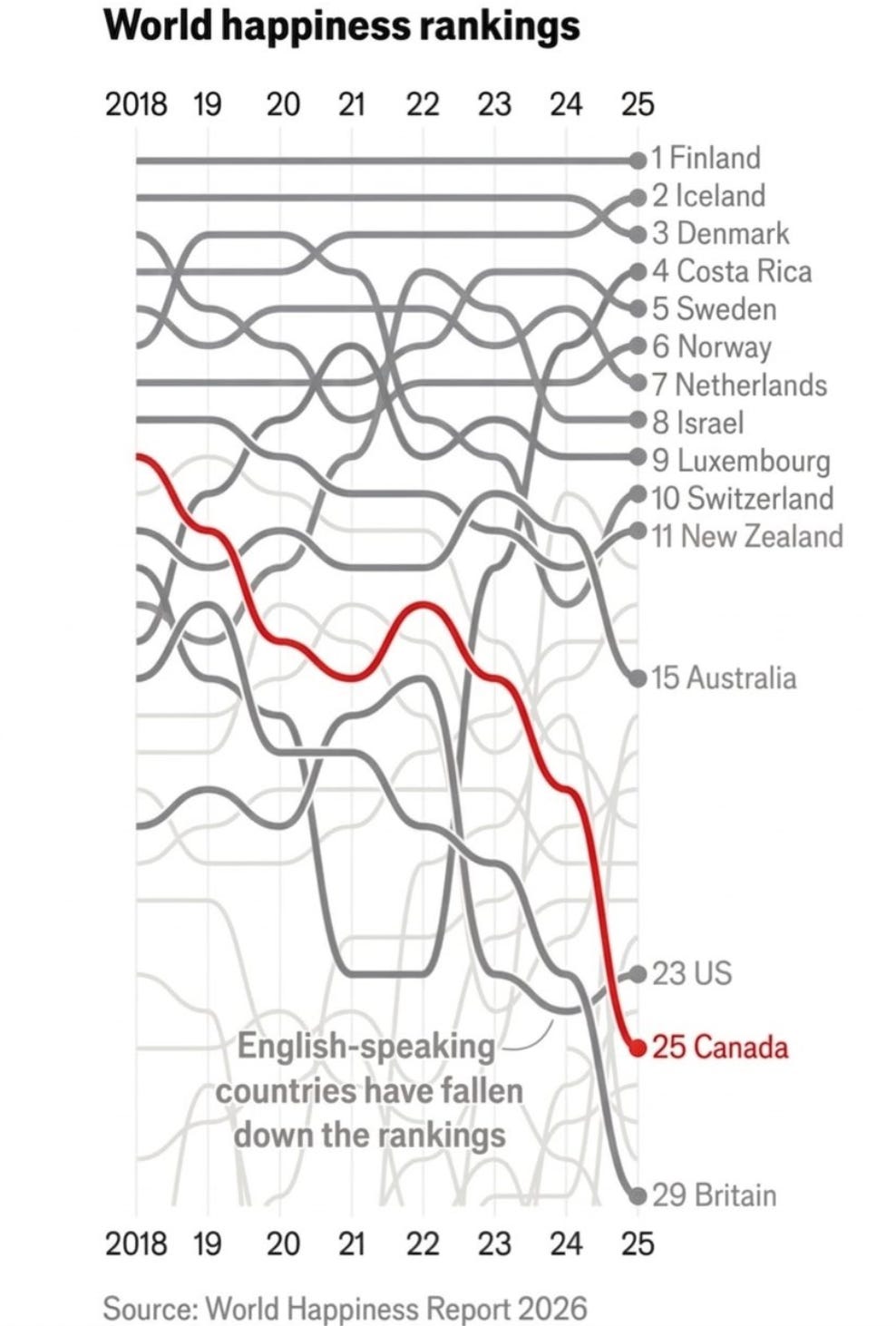
Canada had the steepest decline in World Happiness Ranking. I don’t really give much value to these subjective rankings. But the steep drop was surprising.
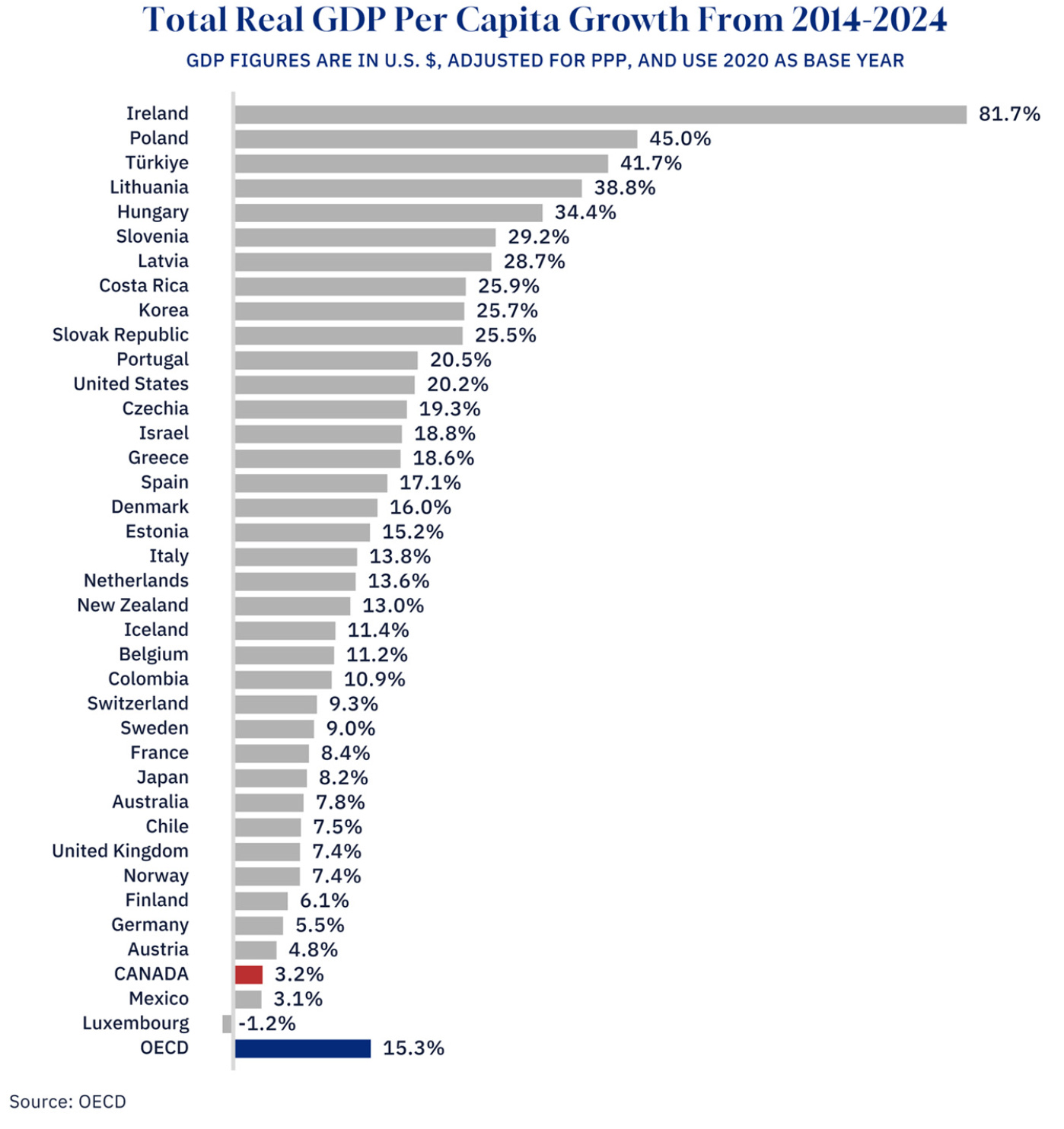
Canada’s GDP per capita has been trending terrible for the last decade. It’s also embarrassingly lower than the OECD average, per a Bank of Canada study.
Bank of Canada study also released the numbers for the brain drain to America. Unsurprising, but also uninspiring for a first world country.
40% of the top 1% earners in Canada leave for the US. About 50% of the next 9 percentile earners also move to the US.
Canadian Prime Minister tweets Canada is a “proud bilingual” nation. Three days later an Air Canada flight crashes into a fire truck at La Guardia Airport in New York, which ironically exposed a crack in Canadian sovereignty: bilingualism.




Canada is raining money! And not in a good way. The government is printing money like there’s no tomorrow to finance spending. Excess money supply severely affects a country where housing is absurdly expensive and skilled labor isn’t rewarded competitively. Canadian groceries and merchandise are generally costlier than the US so inflation is.. taxation on top of high taxation.


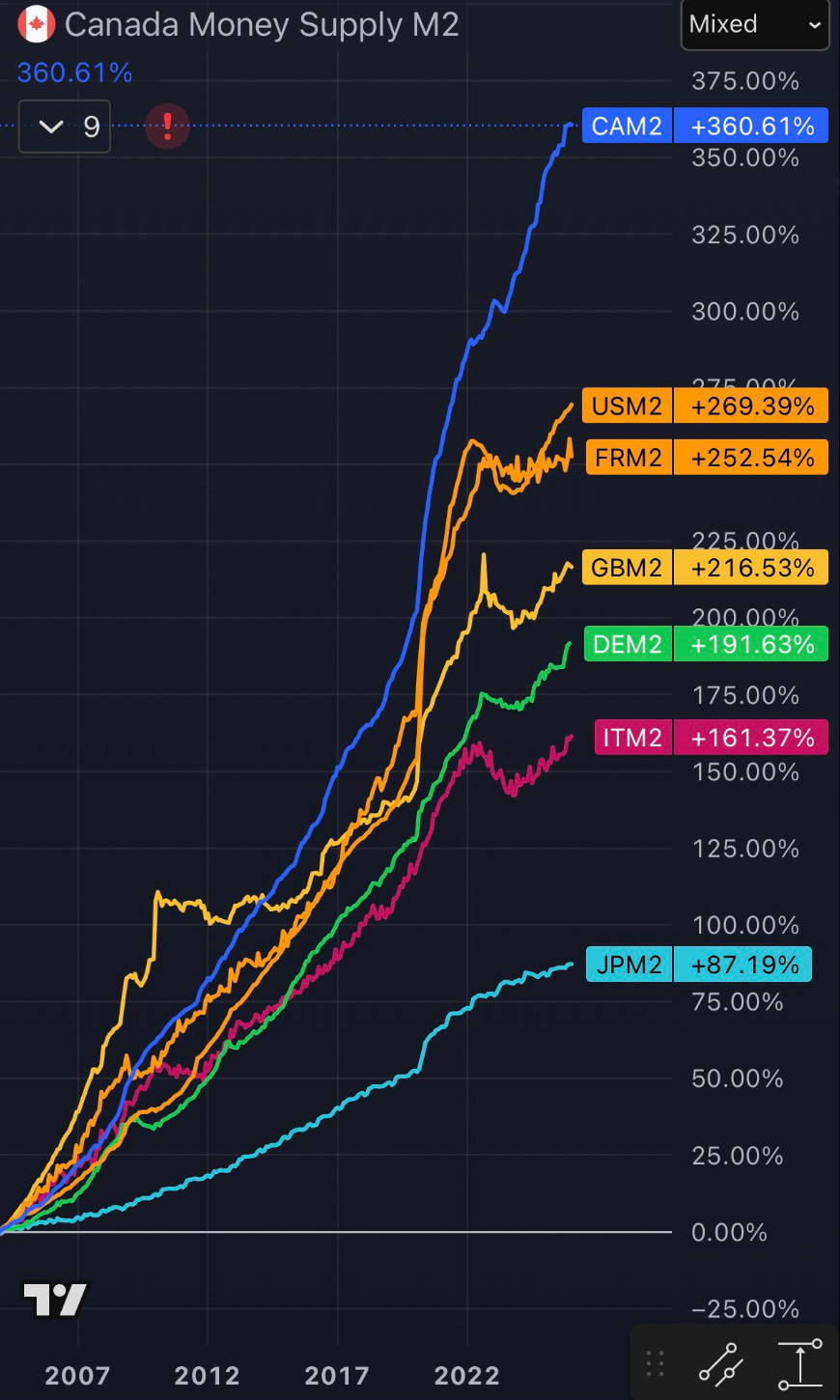
Is all the printed money spent on roads and healthcare and welfare? You be the judge:
enhance the adoption of gender-responsive and inclusive nature-based solutions for climate change adaptation in the Guinean forests of West Africa
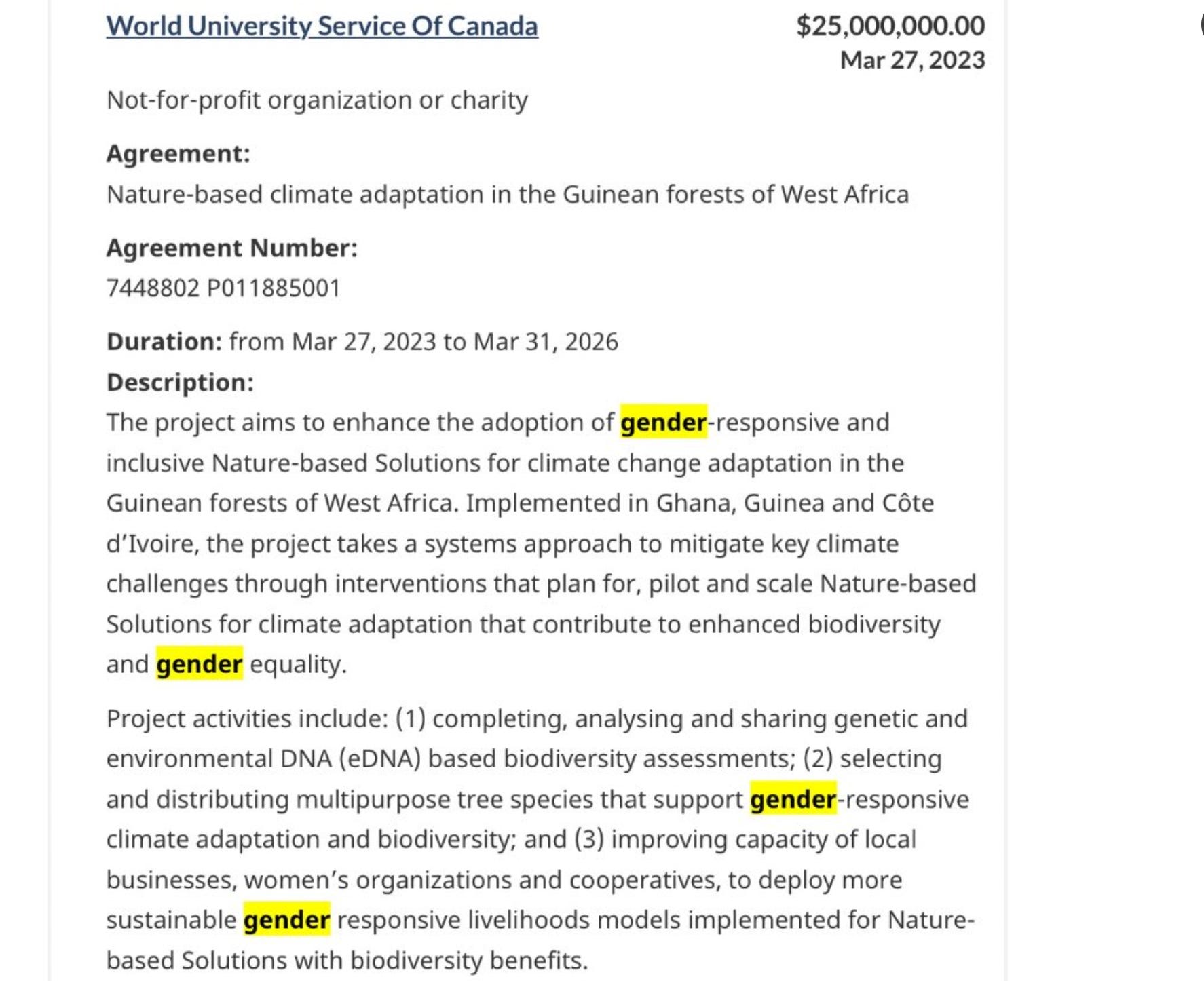
That’s $25 million in taxes. I kid you not, there’s an 18- to 24-month wait for an x-ray or a scan in all provinces. Healthcare in Canada is a nightmare. The wait time for a doctor is 3-5 years. I waited for 4 years, and I was then given a Nurse Practitioner. The nightmarish healthcare stories I know from neighbors, colleagues, and exes are an essay on its own! But the money printing goes on.
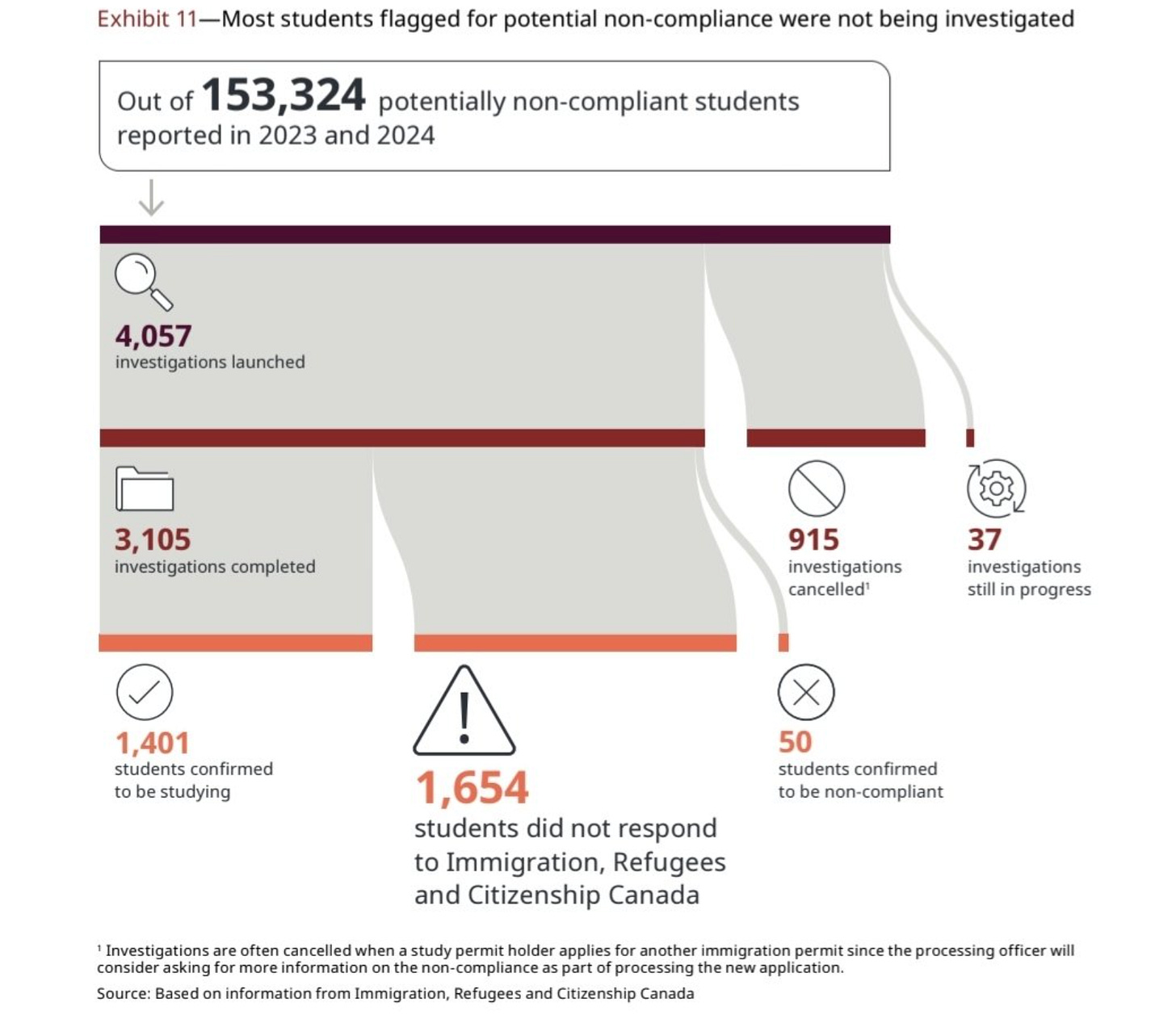
An immigration audit from Carney administration found out what the previous Trudeau administration already knew: unbelievable amounts of fraud which had led Trudeau administration to scale down immigration, but the numbers weren’t known until now. Of the 400,000 applications approved and audited now, more than 150,000 were in violation. It also found that more than 35,000 people with expired visas are still in the country. Canadians are proud of their melting pot but they are not going to like how they will pay for it1.
The flailing Great White North
Canada seemed like the Europe in North America. Everything that was wrong with America, Canada had it right. Right? I had that delusion too. Then I moved to Canada.
Problem# 1.
What Canada gains in natural resources, it loses in geographic disadvantage
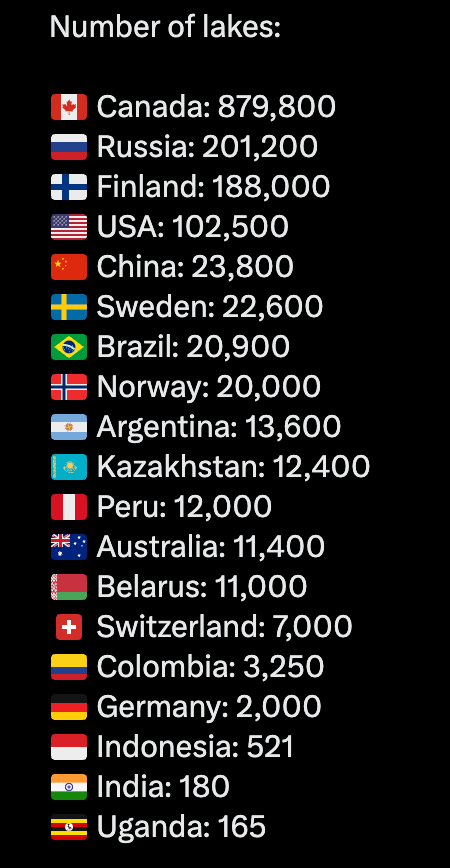
Canada is abundant in minerals and natural resources. It has the largest fresh water reserves. It has more lakes than the rest of the world combined. It has the second largest land area administered by a liberal democracy that values property rights, civil rights, and justice.
Geography
Canada’s biggest geographic disadvantage is not weather, it’s a geographic feature called the Canadian Shield. A geological rock formation underneath the eastern half of Canada that makes the soil non-arable. Every part of the land that is arable has already been settled for agriculture, but most of the land is just economically non-productive vegetation.
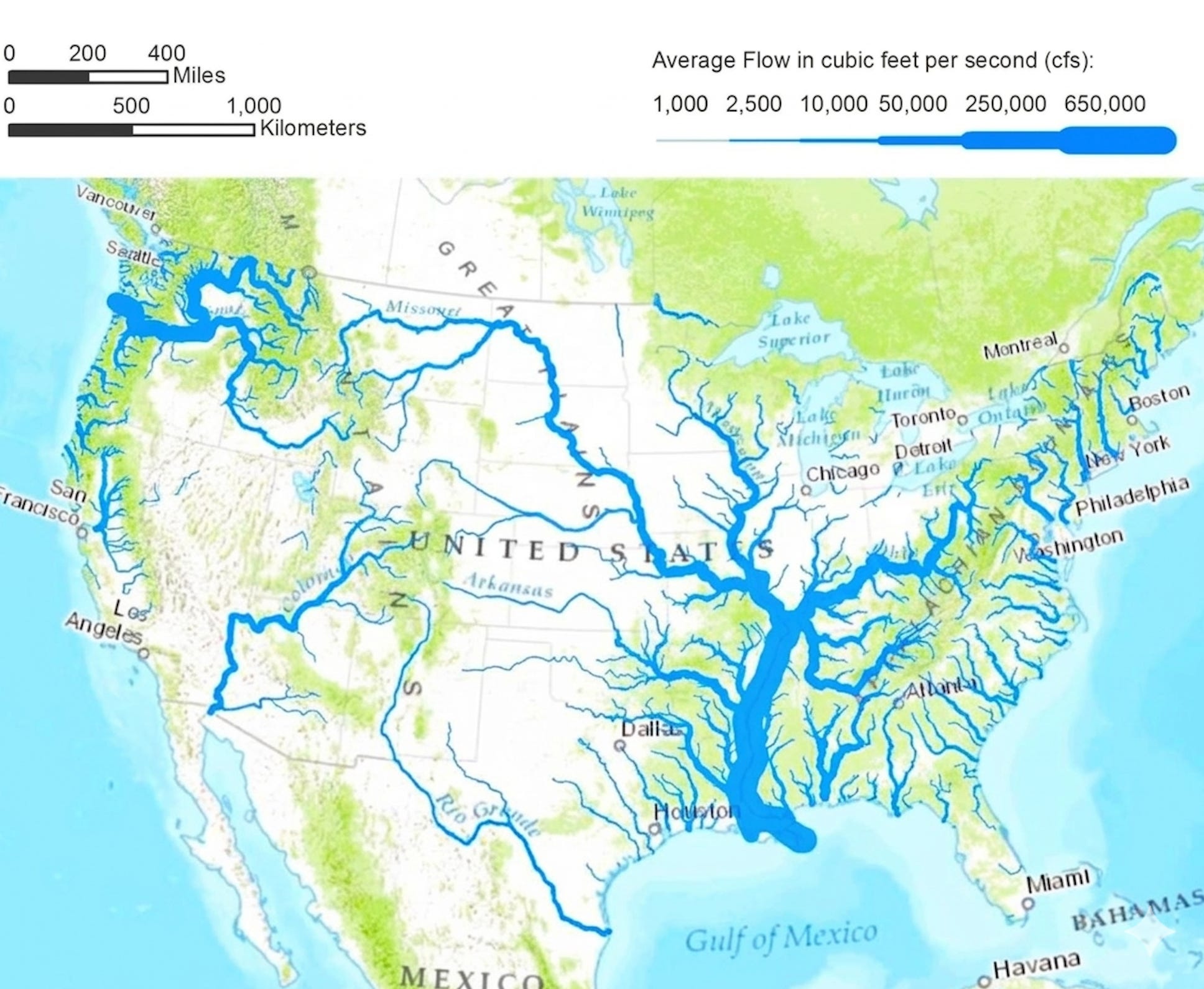
While Canada is blessed with lakes, it’s rivers that made its southern neighbor a superpower. Agricultural productivity in the US surpassed every other country 150 years ago because the Mississippi River and its tributaries (see pic below) made transport of harvest easier, cheaper, and profitable for farmers to go sell in other markets in the US. Success begets success. High agricultural productivity led to more industrial innovation, competitive financing (more banks), leading to more innovation and entrepreneurship, and having tax revenue to build railroads and interstate highways2.
Highways
Canada flies out groceries and mail to its northern territories which is subsidized by other tax payers. In contrast most of the US population live close to a Walmart. US government didn’t need to subsidize rural population, economic growth organically included them.
If you try a road trip from Eastern Canada to the Atlantic or Pacific coasts of Canada Google Maps will force you to go through the US highways in both cases, and that’s your best bet. Canada doesn’t have much of a highway system whereas the entire US is crisscrossed with a well-maintained highway network.
Population density
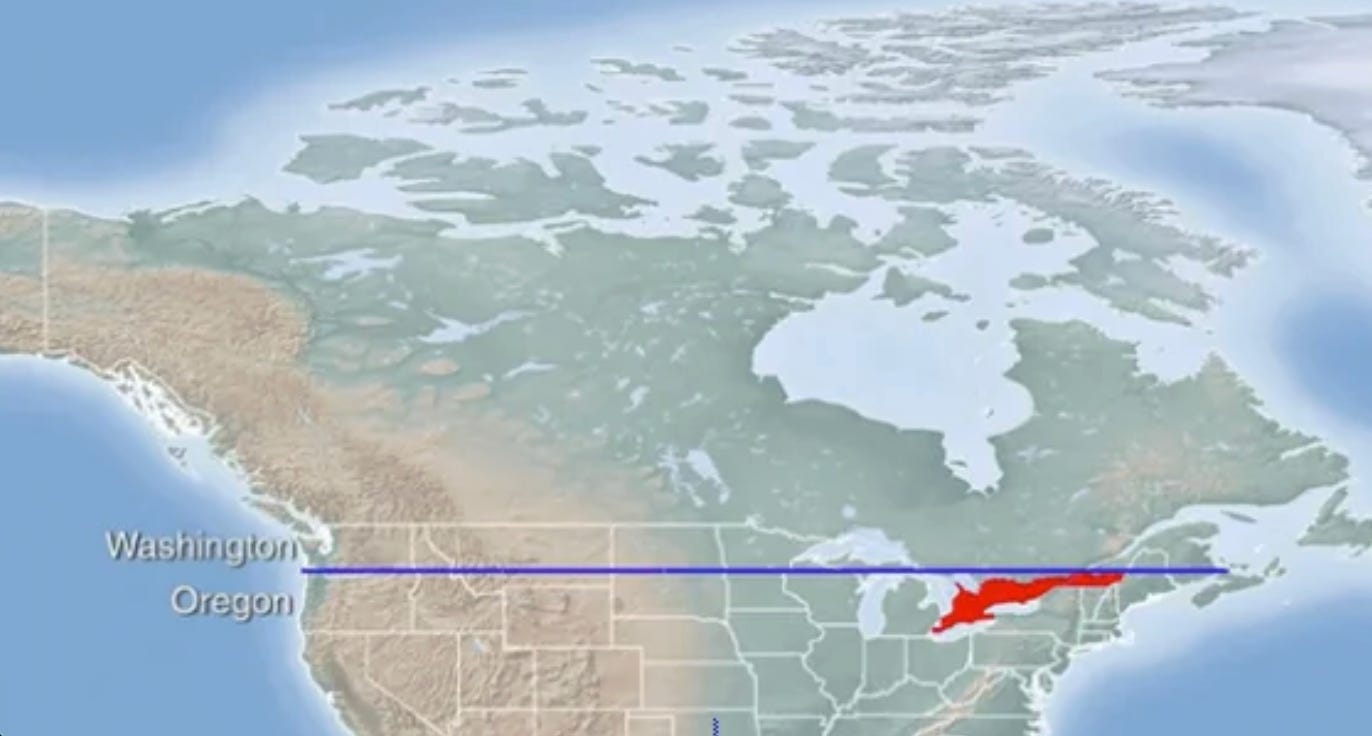
The red patch below is called “Eastern Canada” - more than 50% of Canadians live in this area between Michigan and Vermont. There’s not much in Canada outside of this dense civilization. More than 85% of Canadians live within 100 kilometers of the US border, thanks to the Canadian Shield, lack of rivers, and harsh weather. What does this mean for Canada?
It means absurdly expensive housing, inaccessible healthcare, high taxes, and a first-world nation that doesn’t produce enough babies to sustain welfare for older people.
Healthcare utopia that isn’t
Canadian single payer system is the healthcare utopia for a lot of Americans who have never been a customer of it. The system is helpful when one has a terminal illness or close-fatal accident, and only for that. It works like an insurance policy - as in, a safety net for a grave, one-time healthcare event. But for the reasons you need healthcare 300 times in your lifetime - a fever, infection, broken bones, unknown illness, anxiety, depression - it works far worse than the US healthcare system.
Simply because you don’t have access to services, facilities, or professionals when you need it!
Average physician in the US makes $458,000. In Canada they make $194,000. Market-based pay 10 miles south of a Canadian hospital drive Canadian healthcare professionals away (remember the Bank of Canada study: the top earners flee to the US). My pay precisely halved when I moved from the US to Canada, while my housing expense doubled (or quadrupled based on location).

So how do Canadians access healthcare? They pay for private insurance to avoid several months of wait. This is what the US has been doing without getting government bureaucracy in healthcare, so what’s the point of single payer healthcare? This is an excerpt from Canada’s most popular (wealthsimple) financial newsletter in 2026:

Bonus: America made Breaking Bad out of its expensive healthcare system, which is quite the feat! On a serious note though, ask any Canadian who had to go to a US hospital (this part is important - ask someone who has had firsthand experience!) for a serious injury, illness, or childbirth how they compare the two. You’re lucky to be in America! The grass is always greener elsewhere.
Problem# 2.
What Canada gains in melting pot, it loses in lack of national identity
The Hundred Year War is a misnomer. The French and the English never really stopped fighting. As Peter Zeihan pointed out a decade ago, Canada is not a sustainable state due to the deep chasm between Francophones and Anglophones. French Canadians are inculcated from childhood that the land was unfairly taken from them by British. Air Canada’s CEO is under fire, not for any systemic issues that took the life of two pilots at La Gaurdia, but for delivering the condolence in English.
The schism of Canada
Quebec’s language police (yes, that’s a real thing) is peevish and legally harass businesses for things such as the French font size in an ad or display sign being slightly smaller than English. Across Canada road signs and temporary construction signs are to be set up in both English and in French. Every word spoken or written by an elected official must be transcribed in French, or they will be maimed in the next assembly. Products cannot be sold without French labeling. There's a federal immigration policy that’s astoundingly simple to understand and fully online. But Quebec doesn’t want to be part of this. New comers know Canada is practically two countries even before they apply to immigrate - they have to choose, Quebec or Canada?
In Quebec though, all signs are displayed only in French. In fact, Quebec government offices are not permitted by provincial law to serve citizens in English. But Quebecois demand bilingualism elsewhere in Canada!
A citizen of Alberta who doesn’t speak French can’t get a local government job in English-speaking Alberta. Bilingualism is a requirement for employment. But Alberta’s equalization payments are what finances Quebec’s European style welfare and language totalitarianism. Unsurprisingly Alberta wants to secede from Canada. Quebec tried to secede twice in the last 40 years and almost succeeded both times - they do not want to lose their ethno-linguistic lineage to “Canada”.
These potential secessions are not just identity politics. They would physically split Canadian geography blocking trade and logistics. It’s then a matter of time before provinces are going to knock at America’s door to be the 51st state as that would be the only economically viable option.
Canada’s sovereignty is hanging by a thread.
The French romantic revival
Show me a Frenchman who's not priggish, I'll show you an American who's racist. Both are actually rare. I won’t blame the French though. Western liberal democracy and legal systems are designed by the French after the Revolution. Philosophy and math are heavily influenced by French romanticism. However, the language is dying. The French won’t let go but the only way to resurrect the language might be creating French babies filles du roi style.
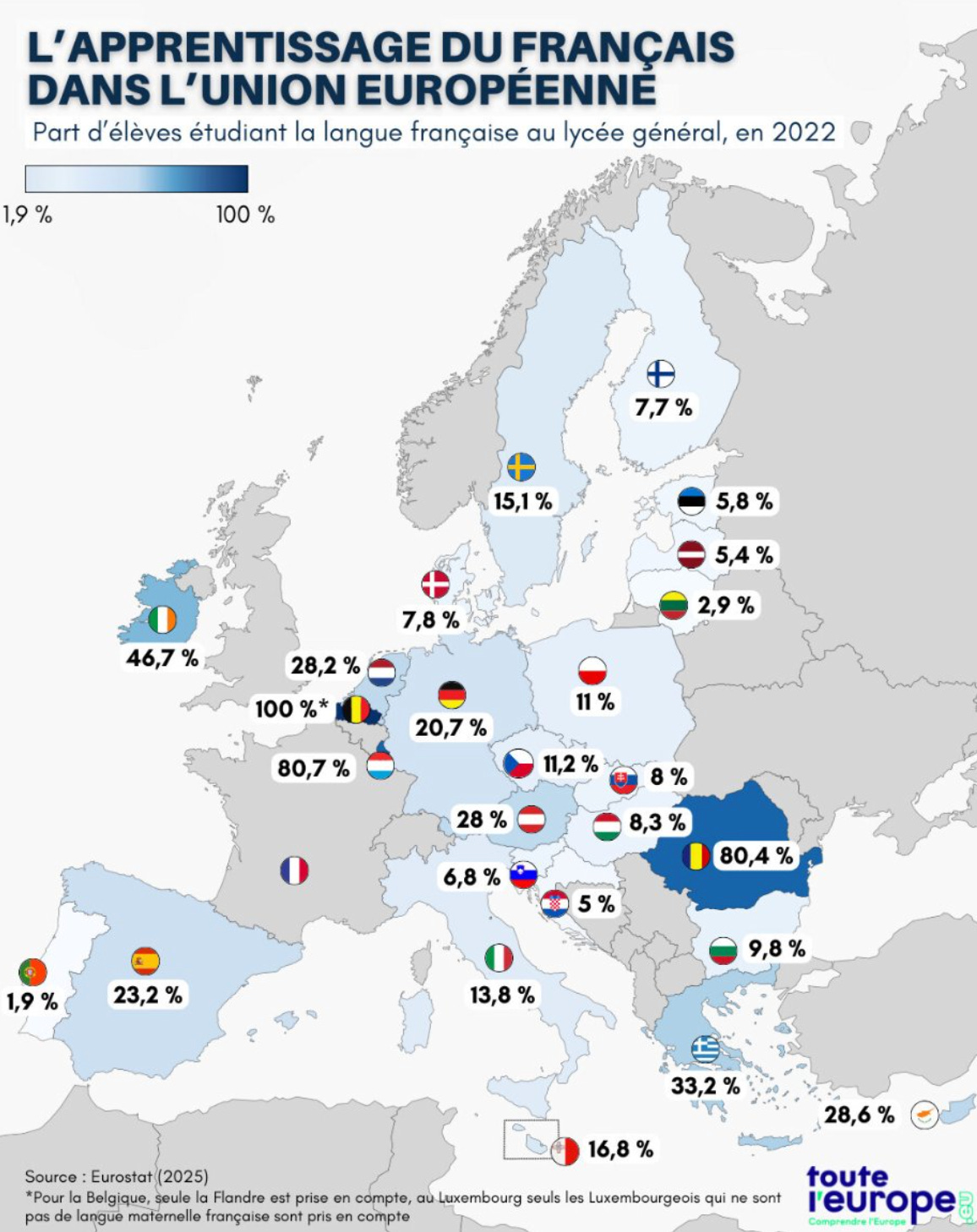
Every French-speaking faction on earth is dwindling3. European schools don’t learn French as much as the French want them to as seen in this map.
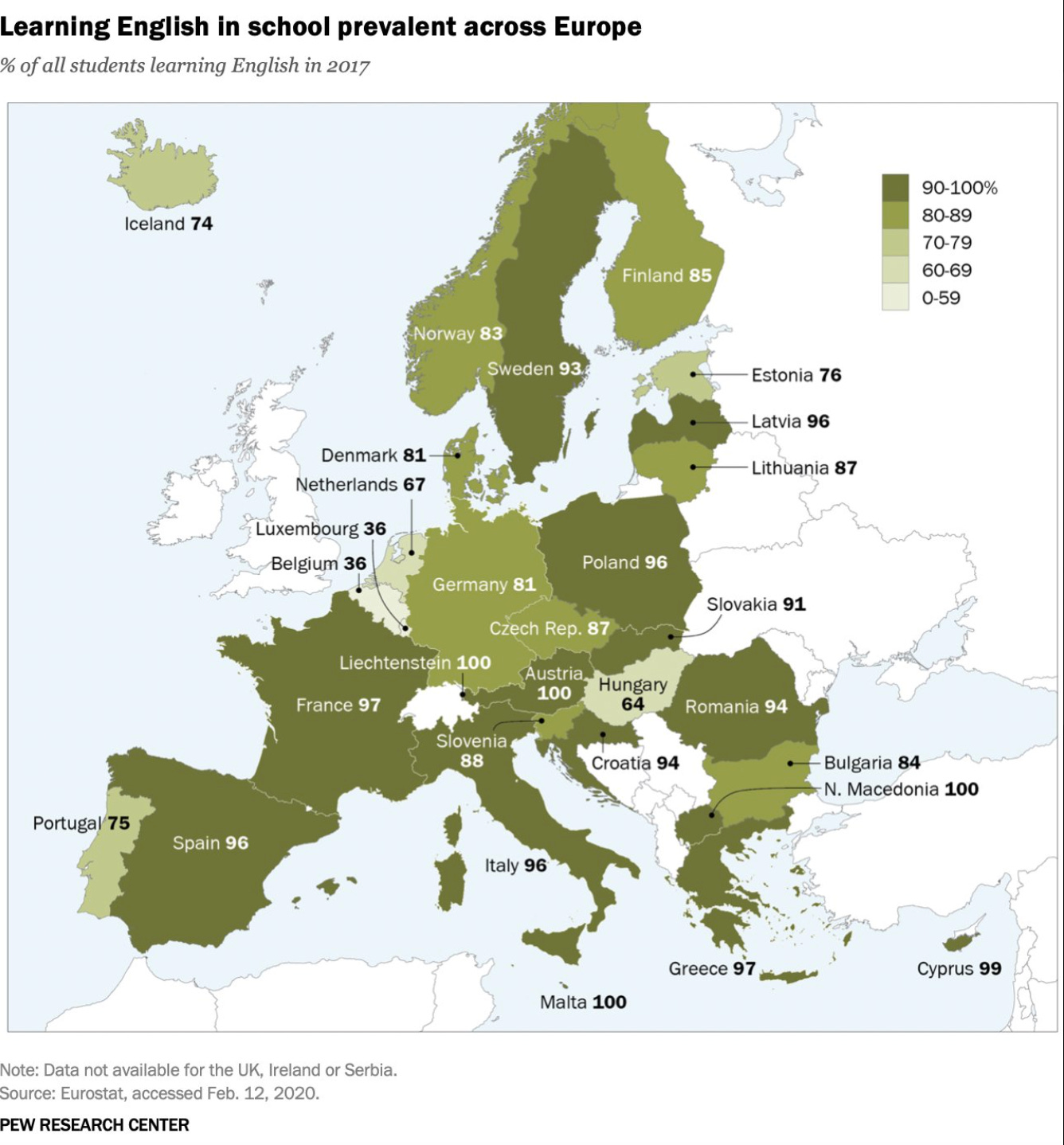
English has become the lingua franca for a globalized world, and that’s not imposed by Britain or other Anglo Saxon countries. Some call it soft power, and the French have lost it if they ever had it.
Canada’s identity problem
Hockey and maple syrup only goes so much. Canada has no common enemy or war that unifies the nation. Canadian military has 50 reindeers and 100 hockey sticks that they never have to actually use except for silly exercises because Canada cannot be attacked under American hegemony. What’s Canada’s identity?
One highly popular Canadian ritual is pouting about being good-er than the United States. Strangely, watching US news channels for hours is an official retirement activity (mind you, this is an aging country!), and so is flying to Florida often. Americans however seem to have no clue or interest in the daily sundries of Canada.
The urge to be something-er than the US is hard to not notice. Want to annoy a polite Canadian?4 Tell them Chicago is colder than Montreal (it was, I swear!). Being better, colder, warmer, or nicer than the US cannot be a national identity. There has to be a deep irreversible undertow that screams we are Canada. What is it?
Is Canada simply the staid sibling of Uncle Sam? The quiet upstairs of a fiery methlab?
Immigration has second order cultural and economic effects. Take the extremely high auto insurance premiums in Canada as example. Certain zip codes have auto insurance rates even higher than the normally expensive rates (eg. Scarborough in Toronto) because immigrants from third world countries like India are the majority here and they unfortunately drive like it’s India. So insuring automobiles are a high-risk business in these zip codes and it increases rates for everyone. It’s an economic outcome that’s driven by cultural themes. I’ll explain.
India doesn’t have STOP signs, so when many Indian drivers see one in Canada, they think that they need to stop only if there’s a vehicle around. They passed the driver’s test in Canada, so it’s not an educational issue. It’s a cultural issue. They drive through the STOP sign as fast and as safe as they can without stopping. Certainly this results in a crash a number of times.
We drive in Canada or in the US with the expectation that others obey the rules we obey, like how we stop at a STOP sign although there’s no electronic red light. It works because we live in a high-trust society. On the other hand, we drive in India with the expectation that nobody obeys the rule and if you do, you’ll be the one losing time and opportunity. It works because it’s a low-trust society.
When a driver flashes the headlight in the US or Canada, it means “go ahead, I will wait for you”. In India it means, “move out of my way, I won’t slow down”. If you can, you should drive in India once before you die. It’s the greatest adventure man has ever invented if you can come out of it alive.
Point-based immigration in Canada, although mired in fraud, may not result in a rise in rape and sexual assault that Western Europe has seen from mass immigration. But the cultural dichotomy and the lack of assimilation will be acutely felt. It’s literally a demographic switch. Remember, the Roma people that immigrated to the Balkans and Europe from India in the middle ages haven’t still assimilated after 100s of years. Assimilation is not just hard, it’s close to impossible!
That makes the US hegemony seem like it was inevitable. But it’s not a settled debate. What I presented is the view that favorable geography causes the rise of empires (The Accidental Superpower. Guns, Germs, and Steel.). But sociologists claim it’s not geography that causes the rise of empires, but the creation of institutions that spawn high-trust capitalist societies (Why nations fail. The protestant work ethic and spirit of capitalism.)
Speaking of dying languages, I (kinda) speak the oldest language on earth that’s still spoken. It’s called Tamil, a Dravidian language spoken in India and some South Asian countries. The literary elites of Tamil have the same vestigial passion for their language as the French people. There’s an occasional outcry about Hindi being the national language of India. But Aryans or Dravidians in India were not a civilization of conquest unlike the French or the British or the Spanish, so there are no complaints of Tamil not being the lingua franca. Nor are they demanding that other Indians learn Tamil. But Frenchmen are notoriously and entertainingly pugnacious.
Okay. This seemed reasonable after a deluge of charts and numbers. How do you get 40 Canadian men out of a swimming pool? Different countries approach this differently. In Canada (and I swear I read this in a book about Canada), you ask them to get out the pool! Yeah, that’s it. The book didn’t have a solution if it were 40 Canadian women. Anecdotally, I find the women in Canada more attractive than women in America likely because Canadian women are more feminine (I reckon, even when they are highly competitive!). I cannot prove this beyond a subjective observation, but I saw a recent study that found out that testosterone levels (aka masculinity) are rising among both American males and females while estrogen levels are staying stable. The causes for this are unknown!